This article contains affiliate links. If you buy through a link on this page, StoreDealNow may earn a commission at no extra cost to you.
When you’re deciding between Samsung vs LG OLED TV options, the choice can feel overwhelming because both brands push the limits of picture quality, brightness and gaming performance. Understanding the nuanced differences helps you avoid a costly mismatch and ensures you get a screen that truly enhances movies, sports and immersive gaming. It also helps you choose the best OLED TV for your home.
By the end of this guide you’ll know which model aligns with your viewing habits, room lighting and budget, so you can make a confident purchase that lasts for years.
Top Picks for the best OLED TV
Category | Product | Price |
|---|---|---|
🏆 Best Brightness | $1,497.99 | |
💰 Best Value | $1,399.99 |
How We Chose the Winners
We compared each OLED on core factors that matter to home‑theater enthusiasts and gamers alike. Brightness and HDR performance were weighed heavily because modern living rooms often have windows or ambient lighting.
We also looked at refresh‑rate and variable‑rate gaming support, as well as the AI‑driven processing that fine‑tunes colour and contrast. Price‑to‑performance ratio, audio integration and the overall ease of use of the smart platform rounded out our analysis, giving you a balanced view of what each TV delivers in everyday use.
🏆 Best Brightness
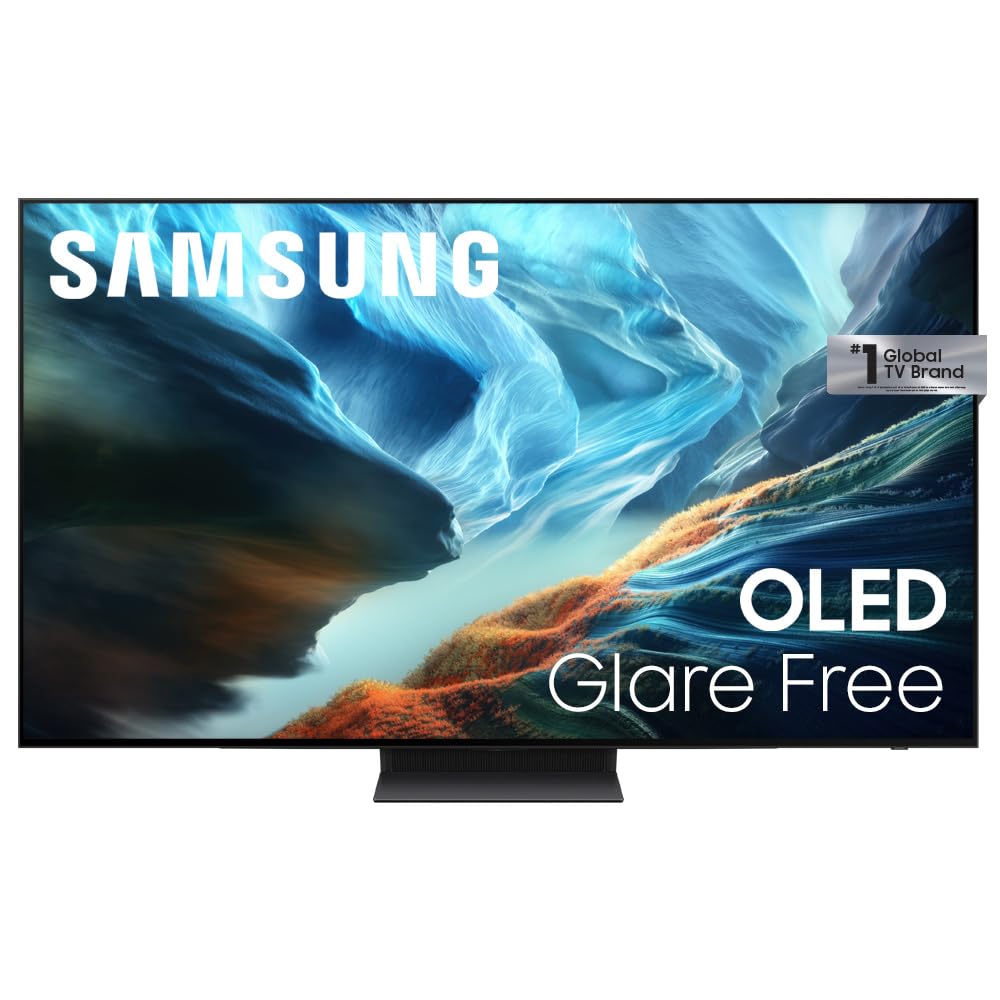
You’ll find the Samsung S90H a solid everyday companion and a show‑stopper for movie nights. The high brightness cuts through bright rooms, while the AI processor pulls out detail in dark scenes. When you plug in a PC or console, the 165 Hz refresh keeps fast‑paced games buttery smooth.
It looks sleek on the wall and the built‑in speakers add decent ambience, so it works well whether you’re binge‑watching or hosting a game night.
What People Say
Most owners highlight the impressive brightness and the way the Glare Free panel handles sunlight. Gamers appreciate the 165 Hz mode and the responsive game settings.
Reviewers also note the vivid colours and strong contrast, though a few mention that the remote and smart‑TV menu can feel a bit fiddly at first.
Pros | Cons |
|---|---|
✅ Excellent peak brightness for bright rooms | ❌ $1,497.99 price is premium |
✅ High refresh rate perfect for gaming | ❌ Remote control layout could be better |
✅ AI picture processing improves detail | ❌ Smart‑TV interface isn’t the most intuitive |
✅ Sleek design with matte finish |
Ease of Use
Feature | Ease Level |
|---|---|
Glare Free technology | Easy |
Automatic Game Mode activation | Easy |
Smart TV navigation | Moderate |
Remote control layout | Moderate |
Energy Efficiency
Annual energy consumption is about 139 kWh, which is moderate for a 65‑inch OLED.
Key Benefits
- 2000 nit peak brightness for bright‑room viewing
- 165 Hz refresh rate delivers ultra‑smooth gaming
- AI‑driven upscaling enhances all 4K content
- Built‑in Dolby Atmos‑compatible speakers
Current Price: $1,497.99
Rating: 4.4 (total: 172+)
💰 Best Value

You’ll find the LG C6 a versatile partner for everything from weekday streaming marathons to weekend gaming sessions. The AI‑driven Alpha 11 processor learns your preferences and tailors picture and sound, while the ultra‑fast 0.1 ms response and variable refresh rate keep fast‑action titles buttery smooth.
Dolby Vision and Dolby Atmos create a cinema‑like feel, and the almost invisible bezel lets the screen blend into any room. It’s a solid pick whether you’re watching a drama, a sports game or setting up a home‑theater showcase.
What People Say
Customers consistently point out the vivid picture quality and the almost instant response when gaming. Many appreciate the built‑in Dolby Atmos speakers that often eliminate the need for a separate soundbar. Reviewers also note the sleek design and the helpful AI picture modes, though a few mention that the remote and menu navigation could be more intuitive.
Pros | Cons |
|---|---|
✅ Excellent picture with perfect blacks | ❌ Remote control feels cheap |
✅ Lightning‑fast response for gaming | ❌ Menu interface can be confusing at first |
✅ Rich built‑in Dolby Atmos sound | ❌ Price remains premium for an OLED |
✅ WebOS 26 makes streaming straightforward |
Ease of Use
Feature | Ease Level |
|---|---|
WebOS 26 smart platform | Easy |
Voice control integration | Easy |
Automatic picture mode selection | Easy |
Remote control layout | Moderate |
Energy Efficiency
Annual energy consumption is about 286 kWh, which is higher than typical LED sets but typical for a premium 65‑inch OLED.
Key Benefits
- Alpha 11 AI processor delivers personalized picture
- 0.1 ms response and VRR up to 165 Hz for smooth gaming
- Dolby Vision and Dolby Atmos for cinematic colour and sound
- Slim bezel integrates seamlessly with décor
- Four HDMI 2.1 ports future‑proof your setup
Current Price: $1,399.99
Rating: 4.3 (total: 131+)
FAQ
What should I prioritize when comparing Samsung vs LG OLED TV models?
You’ll want to look at three key areas: how bright the screen can get, how smooth it handles fast‑moving content, and what smart features are built in. Samsung’s S90H pushes peak brightness to around 2000 nit, which helps in well‑lit rooms, while LG’s C6 offers a slightly lower brightness but excels with a 0.1 ms response and VRR up to 165 Hz for gaming.
Both use AI processors to improve picture quality, so consider whether you value the extra brightness for daytime viewing or the ultra‑fast gaming performance and slightly lower price of the LG model.
Will the high brightness of the Samsung S90H be a problem in a dark viewing environment?
You can easily dial the brightness back with the TV’s picture settings, and the Glare Free technology reduces reflections, so the screen won’t overwhelm a dark room. The NQ4 AI Gen3 processor also adjusts contrast dynamically, letting you keep deep blacks even when you set a higher overall brightness.
In practice, most users find the Samsung’s peak brightness useful for daytime use without compromising the movie‑night experience.
How do the gaming features of the LG C6 compare to those of the Samsung S90H?
When you game, you’ll notice that the LG C6’s 0.1 ms response time and native 120 Hz panel with VRR up to 165 Hz give you an almost instantaneous feel, especially with compatible PCs and consoles. The Samsung S90H offers a 165 Hz gaming mode as well, but it requires a PC that supports the 4K 165 Hz spec and relies on the Ultimate Gaming Pack.
Overall, the LG’s broader HDMI 2.1 support and consistent low latency make it slightly more plug‑and‑play for most gamers, while Samsung provides a high‑brightness edge for bright‑room play.
Wrapping Up
After weighing brightness, gaming features, AI picture processing and price, the Samsung S90H stands out for its higher peak luminance and 165 Hz gaming mode, making it ideal if you need a TV that can cut through bright rooms and deliver ultra‑smooth PC gaming. The LG C6 offers a slightly lower price while still providing excellent colour accuracy, Dolby Vision and a rapid 0.1 ms response for console gamers.
Depending on whether you prioritize peak brightness or overall value, either model can be the perfect fit for your 2026 home entertainment setup.
This Roundup is reader-supported. When you click through links we may earn a referral commission on qualifying purchases.