This article contains affiliate links. If you buy through a link on this page, StoreDealNow may earn a commission at no extra cost to you.
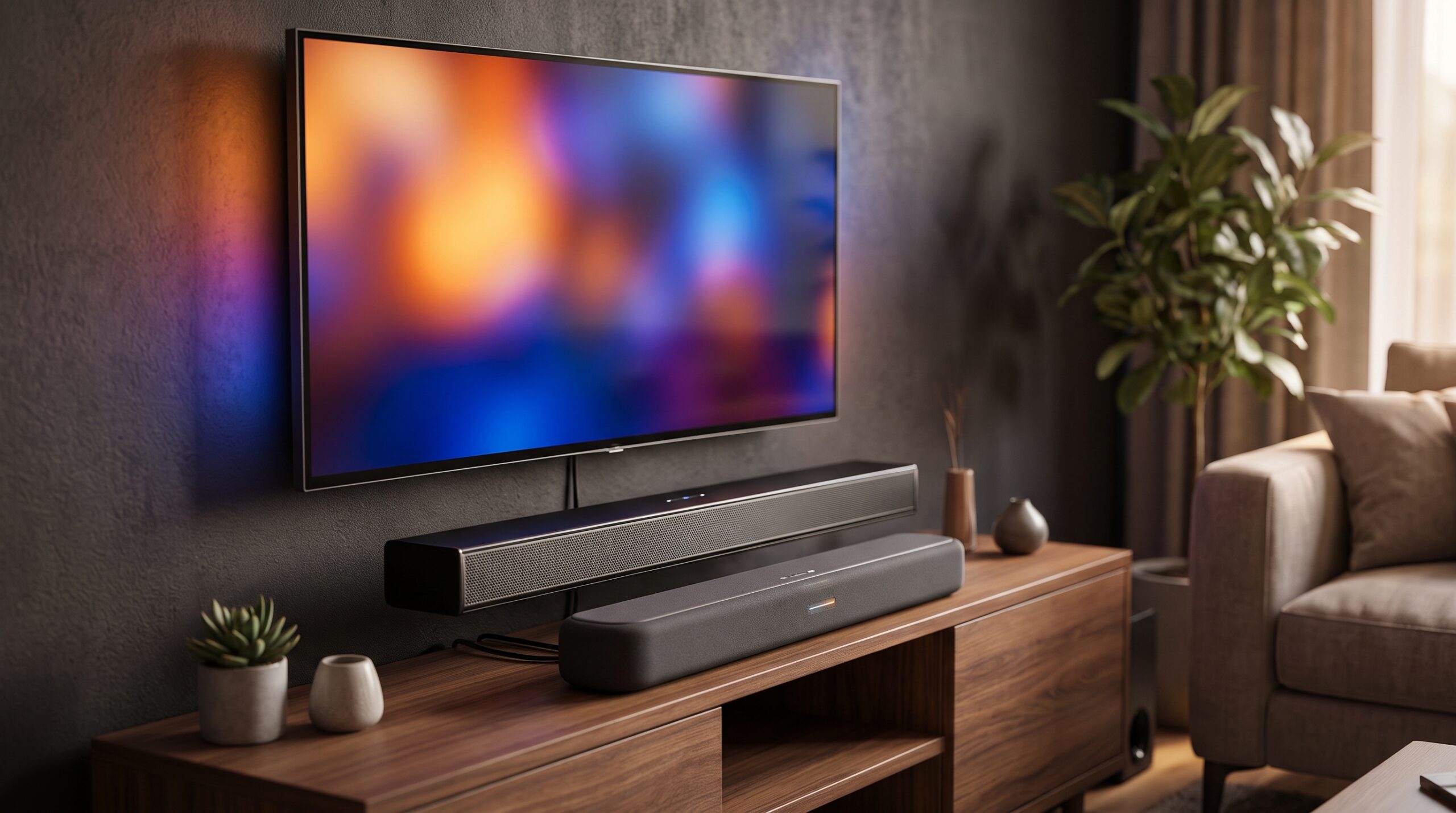
When you’re looking to upgrade your TV’s audio, the decision often comes down to a simple comparison: Bose vs Sonos soundbar. Both brands promise richer sound, easier setup, and sleek designs, but each caters to a slightly different viewing experience.
Understanding what each model excels at will help you choose a soundbar that fits your room size, budget, and listening habits, ensuring you get clearer dialogue and more immersive movie nights without unnecessary complexity. Use this guide to find the best soundbar for your home.
Top Picks
Category | Product | Price |
|---|---|---|
🏆 Best Compact Sound | $199.00 | |
🎯 Best Immersive Atmos | $492.99 |
How We Chose the Winners
We examined each soundbar’s audio performance, ease of setup, connectivity options, and value for money. The rating from verified buyers gave us insight into real‑world satisfaction, while specifications such as power output, Dolby support, and wireless capabilities helped us gauge how well the devices handle dialogue clarity, bass depth, and surround‑sound immersion. Finally, we considered price points to ensure the recommendation aligns with different budget expectations.
🏆 Best Compact Sound
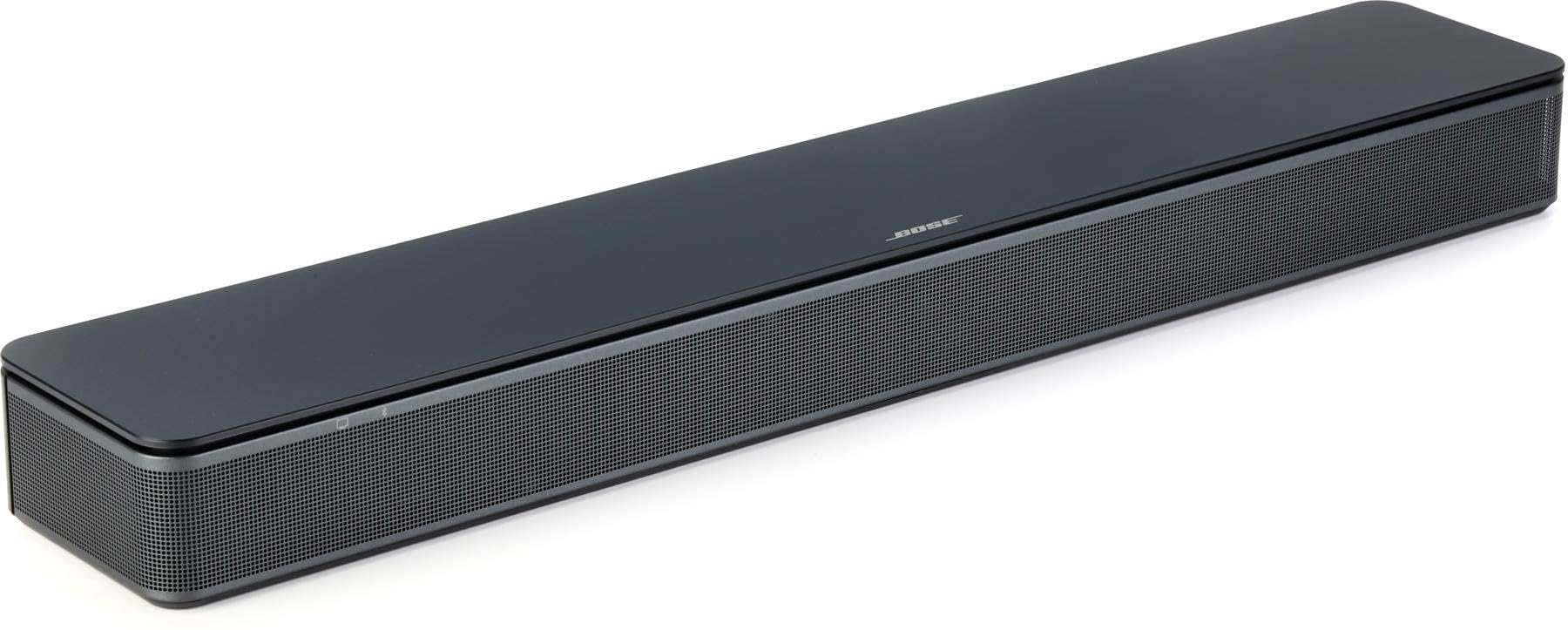
You’ll find the Bose TV Speaker a pleasant surprise when you first plug it in. At just over 2 inches tall it slides under most displays without crowding the room, yet it manages to lift dialogue and everyday TV sound into something richer and clearer. It works well for daily binge‑watch sessions, gaming nights, or even when you’re streaming a music podcast after dinner. Because it only needs a single optical or HDMI connection, setup feels almost effortless, and the Bluetooth button lets you turn it into a portable speaker whenever you like.
If you’re after a space‑saving upgrade that doesn’t demand a full home‑theatre rig, this little bar fits the bill nicely.
What People Say
Most owners appreciate how quickly the Bose TV Speaker lifts the vocal clarity of their favorite shows, noting that the dialogue mode makes even quiet lines easy to follow. Reviewers also like the straightforward plug‑and‑play experience and the ability to stream music via Bluetooth without a hitch.
A few mention that the bass feels light unless a subwoofer is added, but overall the consensus is that it delivers solid performance for its size and price.
Pros | Cons |
|---|---|
✅ Clear speech and enhanced overall sound | ❌ Bass can feel thin without an external subwoofer |
✅ Easy plug‑and‑play installation | ❌ No built‑in subwoofer for full‑range impact |
✅ Small size works in tight spaces | ❌ Remote control limited to basic functions |
✅ Bluetooth connectivity for music |
Ease of Use
Feature | Ease Level |
|---|---|
Single optical or HDMI connection | Easy |
Remote with dialogue mode button | Simple |
Bluetooth pairing via remote | Straightforward |
LED indicators for volume and mode | Intuitive |
Design & Look
The bar sports a sleek black panel with subtle LED lighting that glows softly when the volume changes or a mode is activated. Its minimal silhouette blends into modern living rooms without drawing unnecessary attention, while the front‑facing lights add a touch of tech‑savvy flair.
Key Benefits
- Improved dialogue clarity
- Compact footprint fits any TV stand
- Simple single‑cable setup
- Bluetooth streaming for music and podcasts
- Expandable with a wired subwoofer for deeper bass
Current Price: $199.00
Rating: 4.3 (total: 14,306+)
🎯 Best Immersive Atmos

You’ll notice the Sonos Beam Gen 2 as soon as you hit play. Its compact shelf‑mount design fits neatly below most TVs, yet the Dolby Atmos processing creates a surprisingly wide soundstage that fills the room. Whether you’re watching a dialogue‑heavy drama, a bass‑laden action film, or streaming music in the evening, the bar keeps everything clear and immersive.
The built‑in microphone lets you control playback with voice, and the Wi‑Fi connection lets you add it to a multi‑room Sonos system without running extra cables. For a living room that wants high‑quality sound without a massive setup, the Beam feels like a natural upgrade.
What People Say
Most owners praise the Beam for turning a modest TV setup into a room‑filling experience, especially highlighting the crisp dialogue and the sense of depth the Atmos feature adds. Reviewers also appreciate how straightforward the initial app‑guided setup is and how the bar integrates seamlessly with existing TV remotes.
A few note the higher price and occasional hiccup with the mic button, but overall the consensus is that it delivers premium sound for its size.
Pros | Cons |
|---|---|
✅ Immersive Atmos soundstage | ❌ Premium price compared to basic soundbars |
✅ Easy app‑based setup | ❌ Requires Wi‑Fi for firmware updates |
✅ Clear dialogue and rich bass | ❌ Mic button can be unresponsive for some users |
✅ Wi‑Fi updates keep features current |
Ease of Use
Feature | Ease Level |
|---|---|
App‑guided setup | Easy |
HDMI connection to TV | Simple |
Voice control via built‑in mic | Convenient |
Automatic TV remote integration | Seamless |
Design & Look
The Beam sports a sleek matte‑black finish that blends with most home theater décor. Its low‑profile rectangular shape sits neatly on a shelf or TV stand, and the lack of distracting LEDs keeps the look understated while still feeling high‑tech.
Key Benefits
- Dolby Atmos creates immersive, three‑dimensional sound
- Clear dialogue makes movies and TV shows easier to follow
- Compact shelf‑mount design saves space
- Wi‑Fi streaming and multi‑room integration
- Voice control via built‑in microphone
Current Price: $492.99
Rating: 4.4 (total: 2,009+)
FAQ
Which option gives me clearer dialogue for movies and TV shows?
When you compare the two, the Bose TV Speaker focuses on enhanced dialogue mode that lifts vocals and makes conversations easy to follow, especially on smaller screens. The Sonos Beam, on the other hand, uses Dolby Atmos processing that also clarifies speech while adding a wider soundstage, so you’ll hear dialogue clearly but with more surrounding depth.
If your priority is pure vocal clarity in a compact package, Bose leans slightly ahead; if you want clear dialogue plus immersive ambience, the Beam delivers that balance.
Do I need a Wi‑Fi connection for each soundbar, and can I use them without internet?
The Sonos Beam relies on Wi‑Fi for initial setup, software updates, and multi‑room features, so a stable network is required to unlock its full capabilities. You can still stream from a TV via HDMI even if the Wi‑Fi is temporarily down, but you’ll miss out on new features and voice control. The Bose TV Speaker operates independently of Wi‑Fi; it connects via HDMI‑ARC or optical cable and pairs with devices through Bluetooth, so you can use it straight out of the box without any network at all.
This makes Bose a good fallback if you have spotty internet.
How should I choose between the compact Bose TV Speaker and the more powerful Sonos Beam for my living space?
Think about the size of your room and how much space you have for a speaker. The Bose TV Speaker is only about 2 inches tall, so it slips under most TVs and works well in bedrooms, guest rooms, or small apartments where you need a low‑profile solution. The Sonos Beam is larger, sits on a shelf, and packs 200 watts of power with Dolby Atmos, making it better suited for living rooms or home theaters where you want a fuller, room‑filling experience. Consider your budget as well—Bose is priced around $199, while the Beam is closer to $493, so the price difference reflects the added immersion and connectivity options you get with Sonos.
Wrapping Up
Both the Bose TV Speaker and the Sonos Beam Gen 2 deliver noticeable upgrades over built‑in TV speakers, but they shine in different scenarios. If you need a space‑saving device that adds clear dialogue and simple Bluetooth streaming without breaking the bank, the Bose TV is a practical choice. On the other hand, if you want the full, room‑filling effect of Dolby Atmos and are willing to invest more for richer bass and multi‑room integration, the Sonos Beam stands out. By weighing these strengths against your room size, budget, and feature preferences, you can confidently decide which side of the Bose vs Sonos soundbar debate best fits your home entertainment needs.
This Roundup is reader-supported. When you click through links we may earn a referral commission on qualifying purchases.