This article contains affiliate links. If you buy through a link on this page, StoreDealNow may earn a commission at no extra cost to you.
In 2026 the mirrorless battle between Canon and Sony intensifies, and you might wonder which system will serve your photography and video needs. Understanding the strengths of each helps you invest wisely, whether you’re a professional shooting weddings or a hobbyist expanding into 8K video. If you are lookin
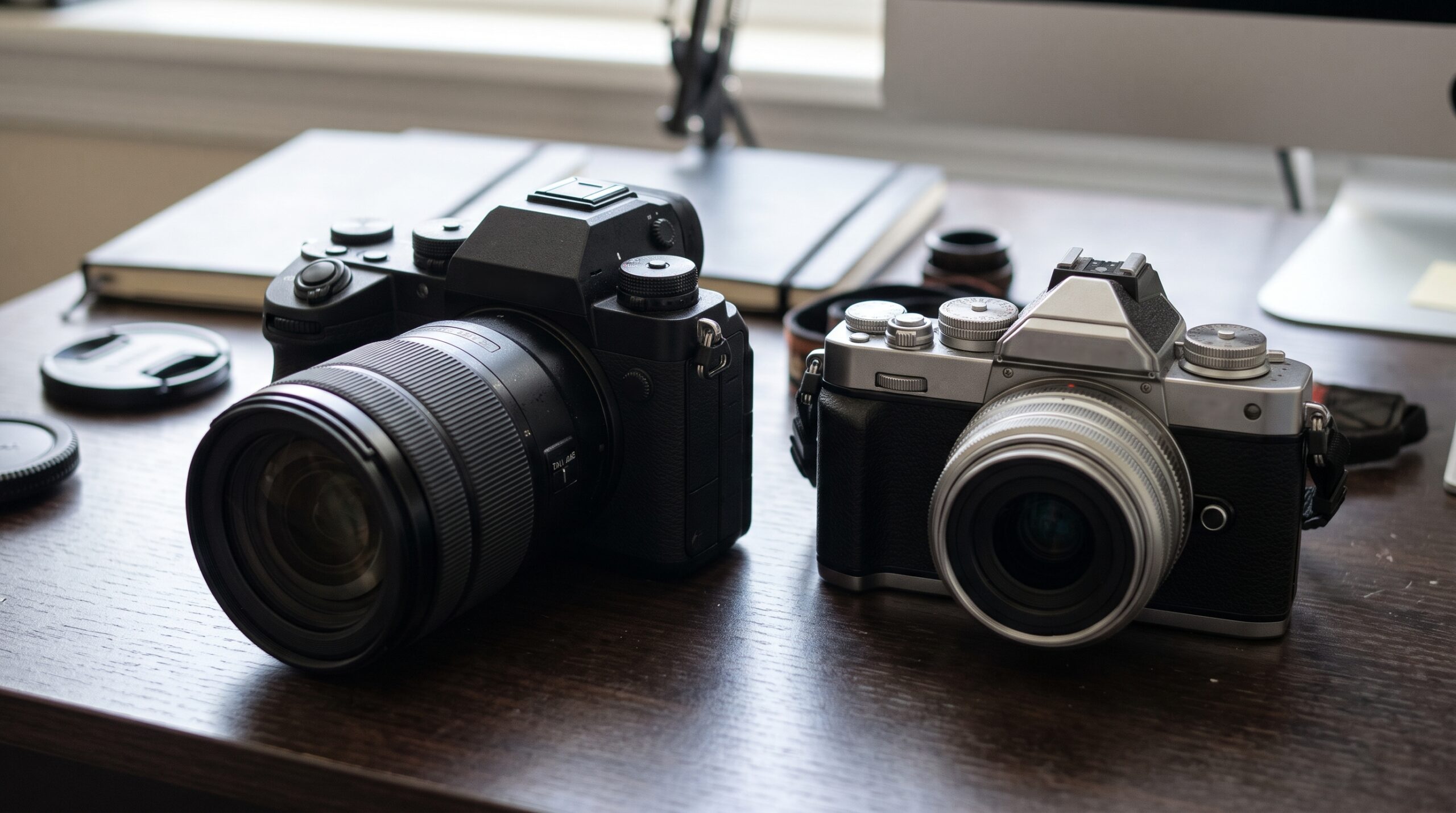
This guide to the best mirrorless camera breaks down the top options, explains our selection process, and highlights what to expect from the leading models in the Canon vs Sony mirrorless camera showdown.
Top Picks
Category | Product | Price |
|---|---|---|
🏆 Best High‑Resolution Pro | $2,999.00 | |
💰 Best Balanced Value | $1,998.00 |
Our Selection Criteria
You should first consider sensor resolution and low‑light performance, because they shape the image quality you’ll get in both stills and video. Next, evaluate video specifications such as 4K/8K support and frame‑rate options, especially if you plan to create cinematic content.
Fast and reliable autofocus, including eye‑tracking, is essential for capturing moving subjects. Build quality, weather sealing, and ergonomics affect how comfortable the camera feels during long shoots.
Finally, price, lens ecosystem, and future‑proof features like advanced processors determine overall value and how well the system will grow with your skills.
🏆 Best High‑Resolution Pro

The Canon EOS R5 feels like a powerhouse you can carry around. Its 45 MP sensor delivers detail that makes every shot look cinematic, and the 8K video capability means you’re ready for any project.
Whether you’re capturing a wedding, shooting street moments, or filming a vlog, the camera’s fast autofocus and robust build keep you focused on creativity. In the broader Canon vs Sony mirrorless camera debate, the R5 leans toward professionals who demand top‑tier image quality and video performance.
What People Say
Most owners highlight the R5’s incredible detail and low‑light performance, noting how the autofocus tracks subjects effortlessly. The video features, especially 8K and high frame‑rates, receive strong praise, while many appreciate the rugged magnesium alloy body. The main reservation is the price, and a few mention occasional overheating during extended 8K recording.
Pros | Cons |
|---|---|
✅ Exceptional resolution and dynamic range | ❌ Premium price tag |
✅ Advanced video specs up to 8K | ❌ Potential overheating in prolonged 8K use |
✅ Reliable fast AF with eye‑tracking | |
✅ Durable, weather‑sealed construction |
Versatility
From everyday street photography to high‑budget weddings and cinematic video shoots, the R5 adapts smoothly. Its fast burst rates and silent electronic shutter make it ideal for both discreet moments and fast action.
Ideal For
Designed for professionals and serious enthusiasts who need top‑tier performance across photo and video.
Key Benefits
- Stunning 45 MP image quality
- 8K video and 4K‑120p for high‑end filmmaking
- Fast hybrid autofocus with eye‑control
- 5‑axis in‑body stabilization for handheld shooting
Current Price: $2,999.00
Rating: 4.7 (total: 775+)
💰 Best Balanced Value

The Sony α7 IV feels like a solid all‑rounder that fits nicely into the Canon vs Sony mirrorless camera conversation. Its 33 MP sensor gives you crisp detail without overwhelming file sizes, and the 4K 60p video makes it ready for both casual vlogs and more serious productions.
The autofocus is quick and reliable, especially with eye‑tracking, which helps you capture sharp portraits and action shots. Whether you’re shooting daily street scenes, family gatherings, or a short documentary, the A7 IV offers a comfortable grip and intuitive controls that keep you focused on the moment.
What People Say
Reviewers consistently note that the A7 IV feels approachable for newcomers while still delivering professional‑grade image quality. The autofocus and color rendering get frequent praise, and many appreciate the solid build and clear ergonomics.
Some users point out that low‑light AF can be a bit finicky and that battery life isn’t outstanding, but overall the camera is seen as a reliable, well‑balanced option.
Pros | Cons |
|---|---|
✅ Excellent image quality for its price | ❌ Battery life could be better |
✅ User‑friendly interface and menus | ❌ AF may struggle in very low light |
✅ Strong autofocus with eye‑tracking | ❌ Price still a notable investment |
✅ Robust build and weather sealing |
Versatility
From everyday snapshots to serious video projects, the A7 IV handles a wide range of scenarios. Its hybrid nature makes it suitable for travel photography, event coverage, and even low‑key portrait sessions.
Ideal For
Ideal for enthusiasts stepping up to professional quality and for seasoned photographers who want a capable, adaptable tool.
Key Benefits
- High‑resolution 33 MP stills
- 4K 60p video for versatile shooting
- Fast hybrid AF with real‑time Eye detection
- In‑body 5‑axis image stabilization
Current Price: $1,998.00
Rating: 4.7 (total: 772+)
FAQ
Which system should I choose for a mix of photography and video, Canon or Sony?
If you need top‑tier image detail and want the ability to shoot 8K video, the Canon EOS R5 gives you a 45 MP sensor and advanced in‑body stabilization that makes both high‑resolution stills and cinematic footage easy to capture. If you prefer a more balanced price and a solid 4K 60p workflow with reliable eye‑AF, the Sony α7 IV offers a 33 MP sensor and a versatile hybrid design.
In the Canon vs Sony mirrorless camera debate, think about which resolution, video format, and budget fit your creative goals.
Will the high price of the Canon R5 be worth it for me?
You’ll feel the investment when you compare the R5’s 45 MP full‑frame sensor, 8K video capability, and up‑to‑20 fps silent shooting to lower‑priced alternatives. The camera delivers exceptional low‑light performance, extensive autofocus coverage, and five‑axis stabilization that can reduce the need for a tripod.
If you shoot professional events, weddings, or heavy video work, the features often justify the $2,999.00 price tag. For casual use or lighter video needs, the Sony A7 IV at $1,998.00 may give you more value.
How do I future‑proof my investment when buying a mirrorless camera?
Choose a system with a robust lens ecosystem and regular firmware updates. Canon’s RF mount is growing quickly, offering high‑performance lenses that will serve you for years, while Sony’s E‑mount already has a massive range of both third‑party and native lenses.
Both brands support high‑resolution video and advanced autofocus, so you won’t feel dated as new features emerge. Consider also the battery life and ergonomics; you’ll appreciate a comfortable grip and reliable power when you’re out shooting for long periods.
Wrapping Up
When you weigh the Canon vs Sony mirrorless camera options, the R5 shines for those who need cutting‑edge resolution and video performance, while the A7 IV offers a more affordable route without sacrificing speed or image quality. Choosing the right body depends on the features you prioritize, and either choice will elevate your creative work in 2026.
This Roundup is reader-supported. When you click through links we may earn a referral commission on qualifying purchases.